Sehatum journal
Could you have a higher risk of type 2 diabetes?
Type 2 diabetes can develop quietly. A short questionnaire can help you notice risk factors and prepare for a conversation with a clinician, but it cannot tell you your blood sugar level.
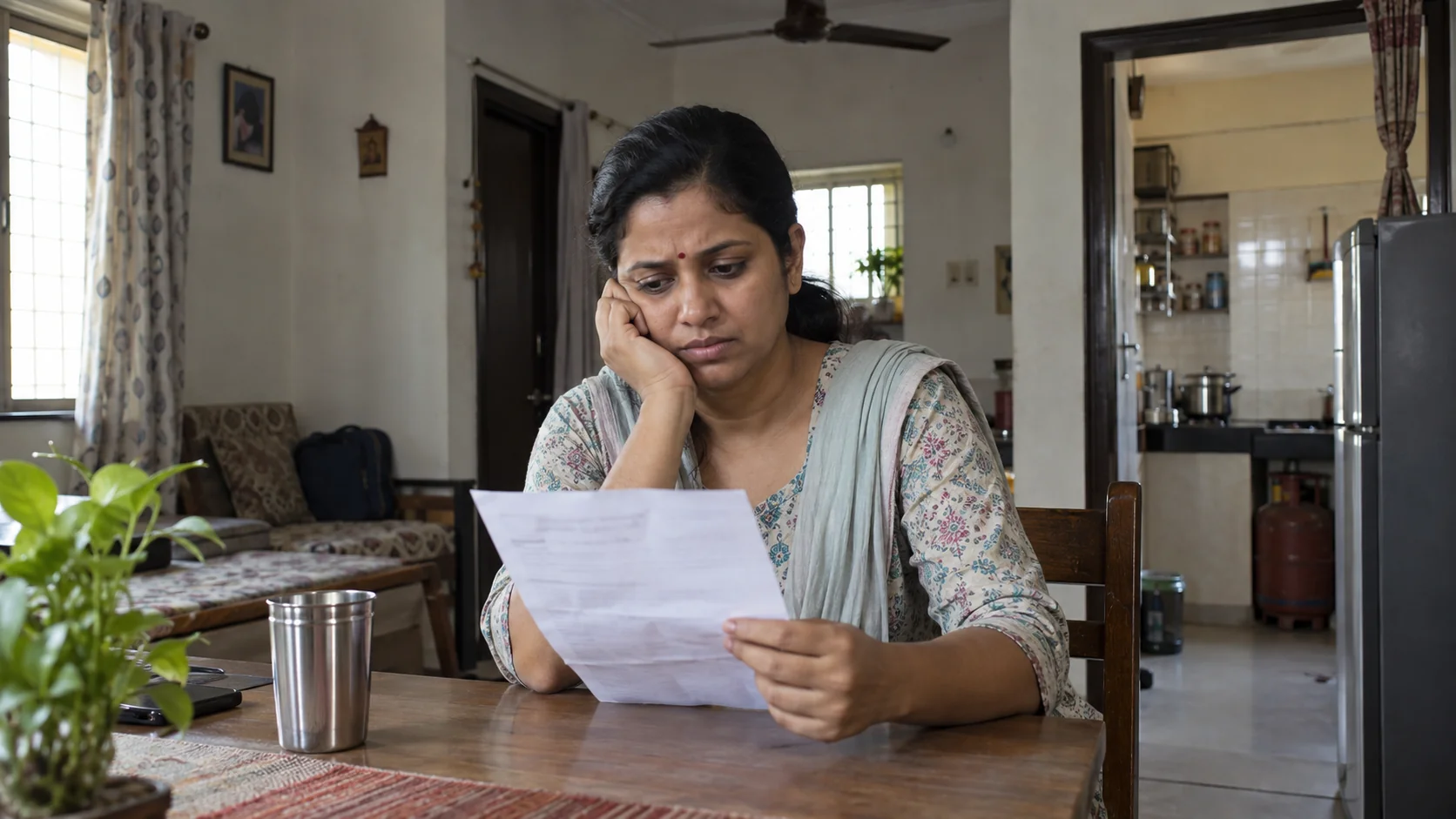
Why symptoms are not the whole story
Thirst, needing to urinate more often, unusual tiredness, blurred vision and unexplained weight loss can occur with diabetes. But type 2 diabetes may have mild symptoms—or none that you notice—for years. Feeling well is not proof that your blood sugar is normal.
If symptoms are new or persistent, speak with a qualified clinician. A risk questionnaire is a starting point for that conversation, not a way to confirm or rule out diabetes.
What a risk check can do
A risk check brings together answers about factors such as age, waist size, activity and family history. It helps you see which factors are worth discussing. It does not measure glucose and cannot replace a laboratory test.
The WHO says diabetes is diagnosed with blood glucose measurements. Depending on the situation, a clinician may use fasting plasma glucose, HbA1c or another appropriate test.
A practical next step
If your answers suggest increased risk, ask a clinician whether you need a blood test and when to repeat it. Bring up any symptoms and family history; do not wait for a questionnaire to give you a diagnosis.
- Write down symptoms you have noticed and when they began.
- Ask which blood test is appropriate for you.
- Discuss changes you can realistically sustain, such as regular activity and a balanced diet.
Explore your next step
Explore the diabetes risk check →Medical source: World Health Organization — Diabetes